The Importance of Timely Mold Remediation Services
Mold can develop quickly when moisture enters a home or building, especially after leaks, flooding, plumbing problems, roof damage, or persistent humidity. What begins as a small moisture issue can spread into walls, ceilings, flooring, insulation, cabinetry, and other porous materials if it is not addressed promptly. Because mold often grows in hidden areas, property owners may not recognize the extent of the problem until stains, odors, or visible patches appear. Mold remediation services can help identify affected areas, address contaminated materials, and reduce the chance that mold will continue spreading. Acting early can also make it easier to limit property damage and restore healthier indoor conditions before the problem becomes more extensive.
Identifying Mold Growth Early
One of the most important reasons to respond quickly to possible mold is that growth can begin soon after materials become damp. According to This Old House, mold may begin developing just 24 to 48 hours after a leak occurs, and respiratory issues may emerge shortly thereafter. This narrow time frame makes early inspection especially important after plumbing failures, roof leaks, appliance malfunctions, foundation seepage, or flooding. Mold remediation services can help determine whether moisture has created conditions that support mold growth, even when the affected area is not immediately visible.
Early detection can also reduce uncertainty about what needs to be repaired or removed. Mold may appear on drywall, wood, carpeting, insulation, or other materials, but it can also develop behind walls, beneath flooring, or inside enclosed cavities. A professional evaluation can help identify the source of moisture and determine how far the problem has spread. Addressing the issue before it expands can reduce the amount of material that may need to be cleaned, treated, or replaced.
Limiting Damage to Building Materials
Mold can gradually deteriorate some of the materials commonly found inside homes and commercial buildings. Drywall, wood, ceiling tiles, insulation, and other porous materials can absorb moisture and provide an environment where mold can continue growing. As exposure continues, staining, warping, softening, or deterioration may occur. Mold remediation services can help contain affected areas and address contaminated materials before damage spreads into a larger portion of the property.
Prompt action can also make restoration more manageable. When mold remains confined to a smaller area, property owners may be able to avoid more extensive demolition or replacement work. Once contamination reaches additional rooms, wall cavities, or structural materials, the scope of the project may increase. Timely remediation gives restoration professionals an opportunity to intervene before the condition becomes more complicated and costly to correct.
Reducing Continued Moisture Problems
Mold cannot be effectively addressed without also considering the moisture that allowed it to develop. Leaking pipes, foundation seepage, damaged roofing, poor drainage, excessive humidity, or inadequate ventilation can all contribute to recurring moisture problems. A thorough remediation process looks beyond visible mold and considers the underlying source. This is important because cleaning surface growth without correcting moisture can allow the same problem to return.
Property owners should also pay attention to recurring condensation, musty odors, damp basements, water stains, or areas that take a long time to dry. These warning signs may indicate a moisture issue that needs further investigation. Correcting the source can help make the property less hospitable to future mold growth. When moisture control and remediation are handled together, the results are more likely to remain effective over time.
Protecting Indoor Air Quality
Mold releases spores and other particles into the surrounding environment, and these materials can become part of the indoor air. When growth is disturbed or allowed to spread, airborne particles may move beyond the immediate area through normal air movement or HVAC systems. Mold remediation services can use containment and removal procedures designed to reduce the spread of contaminants during cleanup and help restore cleaner indoor conditions.
Indoor air quality can be especially important in areas where people spend significant amounts of time, such as bedrooms, living rooms, offices, classrooms, or finished basements. Musty odors may be one indication that mold or moisture is present, even when growth is not visible. Prompt investigation can help determine whether the air quality issue is related to mold and what steps may be needed to address the affected materials safely.
Preventing Mold From Spreading
Mold can spread beyond the location where moisture first appeared. Spores may travel through air movement, foot traffic, cleaning activities, or ventilation systems, potentially affecting additional surfaces. The longer contamination remains untreated, the greater the opportunity for it to expand into surrounding rooms or materials. Mold remediation services can establish containment measures that help isolate the affected area while contaminated materials are cleaned or removed.
Containing the problem can also help protect unaffected portions of the property during restoration work. Improper cleaning methods may disturb mold and distribute spores rather than solve the problem. Professional remediation procedures are designed to manage contamination in a controlled way and reduce unnecessary exposure to surrounding areas. This organized approach can be especially valuable when mold growth involves several materials or is located in a hidden or difficult-to-access space.
Addressing Hidden Mold Sources
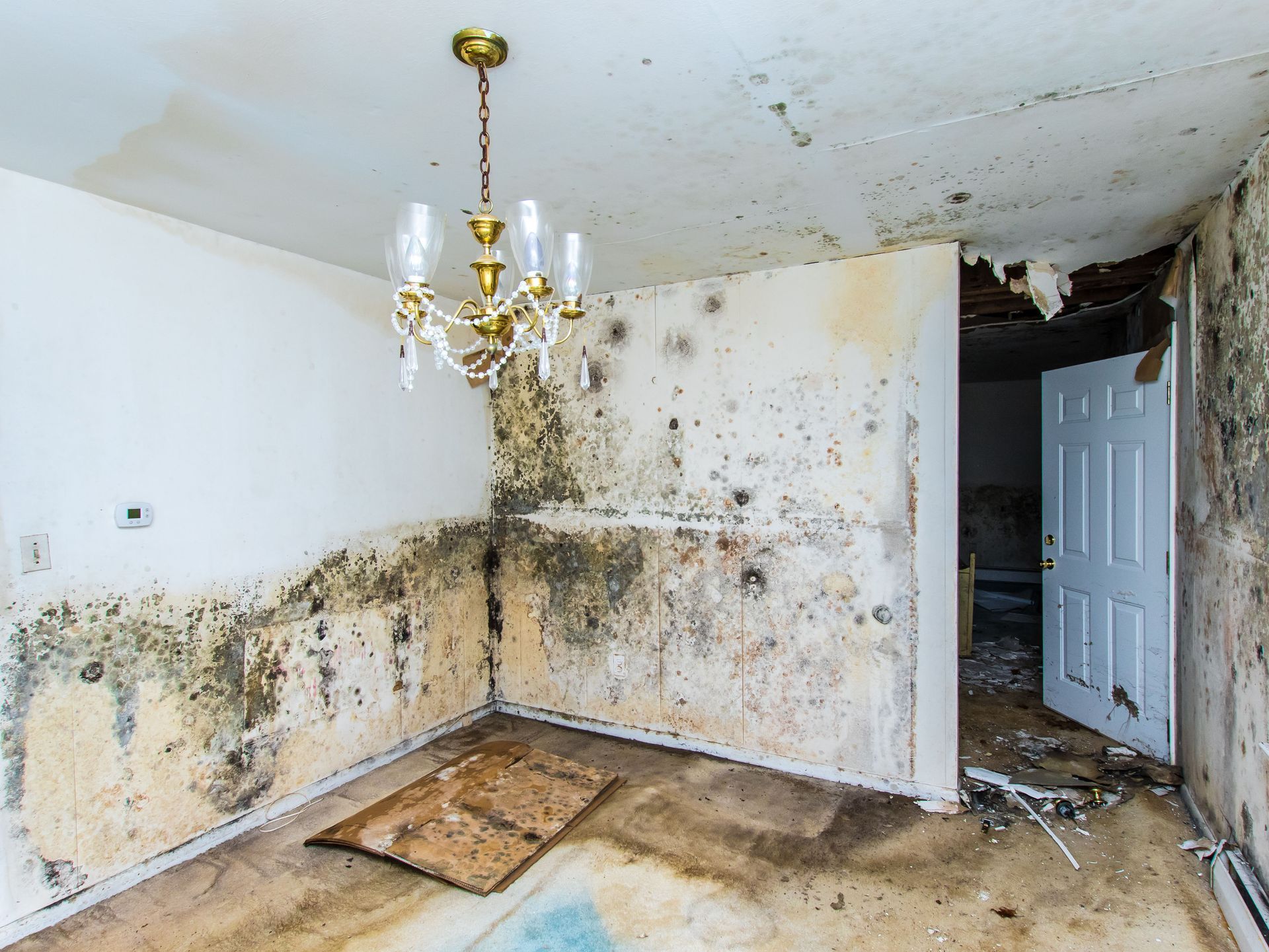
Visible mold is not always the full extent of the problem. Moisture may travel behind drywall, beneath flooring, around windows, through insulation, or along framing before signs appear on finished surfaces. A small patch of mold could therefore indicate a larger moisture issue in an area that cannot be seen without further inspection. Mold remediation services can help investigate suspicious areas and determine whether hidden contamination may be present.
Signs of concealed mold can include persistent odors, recurring stains, peeling paint, warped materials, unexplained dampness, or a history of previous leaks. Property owners may be tempted to clean the visible area and assume the problem is resolved, but hidden moisture can allow mold to continue growing. Identifying the full extent of the issue can help ensure that restoration efforts address both visible and concealed areas rather than only treating the most obvious symptoms.
Supporting a More Complete Restoration
Effective mold cleanup involves more than wiping down affected surfaces. Depending on the severity of the problem, restoration may involve containment, moisture control, removal of damaged materials, detailed cleaning, drying, and verification that the affected area is ready for repairs. Mold remediation services can organize these steps into a coordinated process so that the property is addressed systematically rather than through isolated cleanup efforts.
A complete approach can also help property owners understand which materials can be cleaned and which may need to be replaced. Nonporous materials may sometimes be easier to treat, while heavily contaminated porous materials can require removal. By evaluating each area individually, remediation professionals can recommend an appropriate course of action. This helps support more effective restoration and reduces the likelihood that lingering contamination will remain behind after repairs are completed.
Timely action is one of the most important factors in managing mold because moisture and contamination can spread quickly through a property. Early investigation can help limit damage, identify hidden growth, protect indoor air quality, address moisture sources, and reduce the chance that mold will affect additional rooms or materials. Mold remediation services provide a structured way to evaluate the problem and complete the cleanup and restoration steps needed for the specific property. If you have discovered mold, experienced recent water damage, or noticed persistent moisture concerns, contact Four Leaf Restoration Waterproofing and Mold Remediation.




Share On: