
How to Maintain Your Basement Waterproofing Service
Basements play a critical role in the overall structure and usability of a home, providing additional living space, storage, and support for essential systems. They often house utilities like HVAC systems, water heaters, and electrical panels, making their condition even more important. However, because they are located below ground level, basements are naturally more vulnerable to moisture intrusion and water damage. This is why maintaining a reliable basement waterproofing service is essential for protecting both the structure of the home and the health of those who live in it. Proper maintenance helps ensure that the system continues to perform effectively over time.
Many homeowners assume that once waterproofing is installed, no further attention is needed. In reality, ongoing care is necessary to keep the system functioning as intended. Environmental factors such as rainfall, soil movement, and seasonal changes can all impact how well a waterproofing system performs. Even small shifts in soil or heavy storms can gradually affect drainage patterns. By understanding how to maintain a basement waterproofing service, homeowners can reduce the risk of leaks, mold growth, and structural damage while extending the lifespan of their investment.
According to This Old House, keeping a basement dry requires performing regular maintenance tasks, including inspecting the exterior foundation for cracks or signs of deterioration at least twice per year. This highlights the importance of consistent monitoring and upkeep. Small issues can develop over time, and addressing them early helps prevent more serious problems from forming. Routine attention not only protects the basement but also helps maintain the overall integrity of the home.
We’ve seen how consistent care can make a meaningful difference in preserving a dry and stable basement. Here are the key ways to maintain your system and ensure your basement waterproofing service continues to perform at its best.
Inspecting Exterior Foundation Conditions
Checking for Visible Cracks
The foundation is the first line of defense against water intrusion. Over time, small cracks can develop due to soil movement or natural settling. These openings can allow moisture to seep into the basement. Regular inspections help identify these issues early, so they can be addressed before they worsen. Catching these problems early also helps reduce the need for more extensive repairs later.
Monitoring Surface Deterioration
In addition to cracks, the exterior surface of the foundation may show signs of wear or deterioration. Flaking, chipping, or uneven surfaces can indicate that the material is weakening. Maintaining the condition of the foundation supports the effectiveness of your basement waterproofing service. Keeping surfaces intact helps prevent moisture from finding entry points.
Evaluating Soil Grading Around the Home
The way soil is graded around the foundation affects how water flows during rainfall. Proper grading directs water away from the home, reducing pressure on the foundation walls. Monitoring this area ensures that water is not pooling near the structure. Consistent grading helps maintain effective drainage patterns throughout the year.
Ensuring Proper Drainage Flow
Exterior drainage systems, such as downspouts and gutters, play a key role in directing water away from the foundation. Keeping these systems clear and properly aligned supports long-term waterproofing performance. Regular checks help ensure that water is consistently diverted away from vulnerable areas.
Maintaining Interior Drainage Systems
Inspecting Sump Pump Operation
Sump pumps are a vital part of many waterproofing systems. They help remove water that collects in the basement or around the foundation. Regular checks ensure that the pump is functioning correctly and ready to operate when needed. Reliable pump performance is essential during periods of heavy rainfall.
Monitoring Drainage Channels
Interior drainage channels collect and redirect water away from the basement. These channels should remain free of debris to function effectively. Keeping them clear helps maintain consistent water flow. Clean channels also reduce the risk of backups or overflow.
Checking for Blockages
Clogs or obstructions can prevent water from draining properly. Periodic inspection helps identify any blockages that could interfere with the system’s performance. Addressing these issues promptly ensures that the system remains effective.
Supporting Continuous Water Movement
Efficient drainage relies on uninterrupted water movement. Ensuring that all components are working together supports the overall effectiveness of your basement waterproofing service. Consistent flow helps prevent water buildup and potential damage.
Monitoring Moisture and Humidity Levels
Identifying Signs of Dampness
Moisture can appear in subtle ways, such as damp walls, musty odors, or condensation. Recognizing these signs early helps prevent larger issues from developing. Staying aware of these indicators allows homeowners to act quickly.
Using Moisture Detection Tools
Monitoring tools can help track humidity levels and identify areas where moisture may be accumulating. This allows homeowners to stay informed about conditions within the basement. Accurate readings help guide maintenance decisions.
Preventing Mold Growth
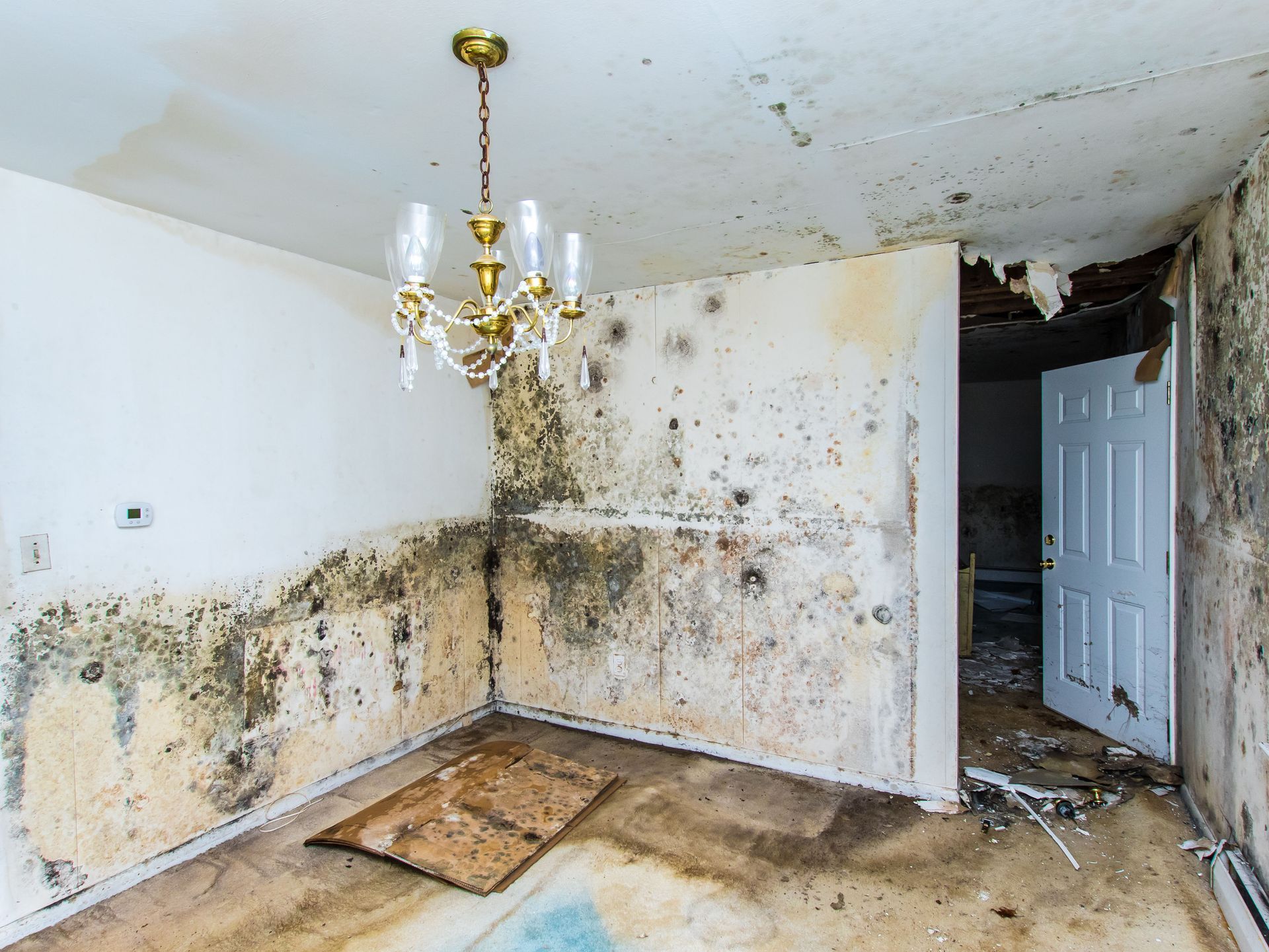
Excess moisture creates an environment where mold can thrive. Maintaining proper humidity levels helps reduce the risk of mold development and supports a healthier indoor environment. Preventing mold also protects structural materials.
Maintaining Air Circulation
Proper ventilation helps control moisture levels and improve overall air quality. Ensuring that the basement has adequate airflow supports long-term waterproofing success. Good air movement helps maintain balanced conditions.
Inspecting Seals and Waterproofing Barriers
Checking Wall and Floor Seals
Seals applied to basement walls and floors help prevent water from penetrating the structure. Over time, these seals may wear down or become less effective. Regular inspection ensures they remain intact. Keeping these seals strong is key to preventing leaks.
Evaluating Joint Integrity
Joints between walls and floors are common entry points for water. Monitoring these areas helps identify potential vulnerabilities in the waterproofing system. Early attention helps maintain consistent protection.
Reinforcing Protective Barriers
Waterproofing barriers provide an additional layer of protection against moisture. Maintaining these barriers helps ensure consistent performance over time. Reinforcement helps extend the system’s effectiveness.
Supporting Long-Term Protection
Keeping seals and barriers in good condition is essential for maintaining the effectiveness of your basement waterproofing service and preventing water intrusion. Long-term care ensures dependable results.
Scheduling Regular Professional Inspections
Identifying Hidden Concerns
Some issues may not be visible during routine checks. Professional inspections can identify hidden concerns that require attention before they escalate. Expert insight adds an extra layer of protection.
Evaluating System Performance
Experts can assess how well the waterproofing system is functioning and recommend adjustments if needed. This helps ensure consistent performance. Professional evaluations provide confidence in system reliability.
Addressing Wear and Tear
Like any system, waterproofing components can experience wear over time. Regular inspections help address these issues before they impact performance. Timely attention helps maintain effectiveness.
Maintaining Reliable Protection
Ongoing professional support helps ensure that your basement waterproofing service continues to provide reliable protection against moisture and water damage. Consistent oversight supports long-term success.
Maintaining Surrounding Landscape Conditions
Managing Water Runoff
Landscaping features can influence how water moves around the property. Ensuring proper runoff helps reduce pressure on the foundation. Proper flow helps maintain system performance.
Preventing Soil Erosion
Erosion can alter the grading around the home, allowing water to accumulate near the foundation. Maintaining stable soil conditions supports effective drainage. Stable ground conditions help protect the structure.
Monitoring Plant Growth Near the Foundation
Large plants or tree roots can impact the foundation and surrounding soil. Keeping vegetation at a safe distance helps prevent potential damage. Controlled growth supports long-term stability.
Supporting Consistent Drainage Patterns
Maintaining the landscape helps ensure that water flows away from the home as intended, supporting the long-term effectiveness of your basement waterproofing service. Proper planning helps maintain consistent results.
Maintaining a dry and stable basement requires consistent attention to both interior and exterior conditions. From inspecting the foundation and monitoring moisture levels to maintaining drainage systems and scheduling professional evaluations, each step plays a role in preserving the effectiveness of your waterproofing system. A well-maintained basement not only protects the structure of the home but also supports a healthier living environment.
By taking a proactive approach, homeowners can reduce the likelihood of costly repairs and ensure that their waterproofing system continues to perform reliably. Regular maintenance helps identify potential concerns early and provides the opportunity to address them before they become significant issues. This ongoing care supports both immediate protection and long-term peace of mind.
If you want to protect your home and ensure lasting performance, contact Four Leaf Restoration Waterproofing and Mold Remediation today to learn how a professional basement waterproofing service can help maintain a dry, secure, and dependable foundation for years to come.



Share On: